


About Hydropower in Europe
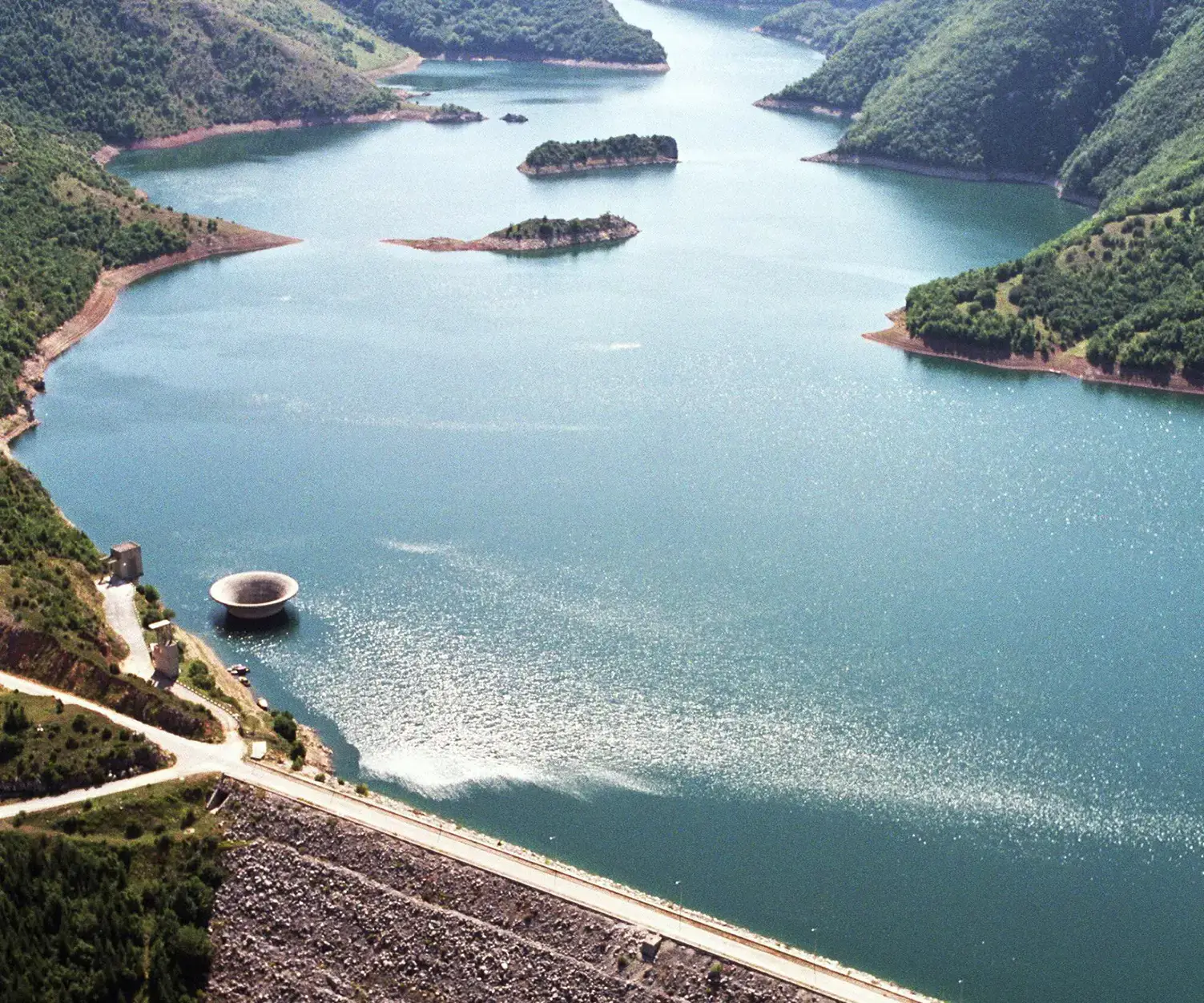
Photo: Electric Power of Serbia / „Elektroprivreda Srbije”

Key figures
30%
hydropower’s share of EU renewable electricity generation
13%
hydropower’s share of the EU’s total electricity mix
47.5%
renewable energy’s share of EU electricity consumption in 2024
263 GW
total hydropower installed capacity in the EU (2025)
614 TWh
annual electricity generated by EU hydropower plants (2025)*
* source: International Hydropower Association, Hydropower in Europe.
Current Challenges

Hydropower of course also has its trade-offs.
River ecosystems can be affected, with fish migration routes that can be blocked and natural flow patterns altered. Hydropeaking (sudden flow changes caused by rapid ramping) affects more than 800 km of European rivers. On top of that, around 28% of planned hydropower projects are located in protected areas. And even small plants that generate limited electricity can still cause significant disruption to biodiversity.
Social tensions are hence growing. Communities downstream experience abrupt water level changes that affect fishing, irrigation and recreation. Decision-making is often perceived as opaque and local voices are not always heard. Therefore, trust in operators remains low in some regions, even when plants are legally compliant with environmental regulations.
Operators also face competing policy demands. The Water Framework Directive requires good ecological status while the Renewable Energy Directive pushes for more flexibility and renewables integration. Navigating these requirements is therefore a growing challenge.
SE-Hydro is designed to address these tensions: by developing solutions that work for the grid, for rivers, and for the people who live alongside them.
Hydropower plant and technologies
There are three main types of hydropower plants onshore: run-of-river, storage and pumped storage. These technologies can often overlap. For example, storage projects can often involve an element of pumping to supplement the water that flows into the reservoir naturally, and run-of-river projects may provide some storage capability.